
Convene operators and researchers
Plant leadership, technology providers and academics working the same problems from different sides. The value is in members describing what actually happened, including the deployments that did not hold up.
Industrial AI is a strategic infrastructure capability, and this council treats it as one rather than as a collection of isolated use cases.

In collaboration with the US Center for Advanced Manufacturing The council works with USC4AM, a World Economic Forum affiliated centre for the Fourth Industrial Revolution, on joint publication and on bringing industrial AI practice to mid-market manufacturers. Read the joint publication →
Manufacturing environments differ from enterprise settings because they depend on physical assets, real time constraints, safety critical processes and tightly coupled work between people and machines.
Most AI guidance is written for businesses whose worst failure mode is a bad report. That guidance does not survive contact with a plant, where a model that is wrong at the wrong moment can damage equipment or hurt somebody. This council exists to write the manufacturing specific version of that guidance and to test it against real operations.
The position we hold is that industrial AI should be treated as infrastructure in the way industrial automation was treated in earlier decades. That means coordinated investment in data, models, standards and workforce rather than a series of pilots that each prove something and then stop.
The council treats industrial AI as infrastructure, in the way industrial automation was treated in earlier decades. That means coordinated work across data, models, standards and workforce rather than a sequence of pilots that each prove something and then stop.
Plant leadership, technology providers and academics working the same problems from different sides. The value is in members describing what actually happened, including the deployments that did not hold up.
The barrier to industrial AI is three domains built deliberately apart. The council works on reference architectures, protocol interoperability and data stewardship that preserves operational context, because none of that gets solved by a better model.
An ageing skilled workforce is walking decades of tacit judgement out of plants. Capturing what sits in maintenance logs, incident reports and operator notes is a workforce objective before it is a technology one.
Aligning to NIST, ISA, IEC and the emerging ASTM F50 effort on AI in manufacturing, and pushing for open industrial data standards through federal programmes instead of another proprietary stack.
Human in the loop control over critical decisions, explainability, and validation under abnormal and emergency conditions. In safety critical environments these are functional requirements, not commitments added at the end.
Translating what members measure into evidence policymakers and boards can act on, and mapping it to federal programmes at DOE, NIST, NSF and DoD so that shared infrastructure and testbeds get funded.
Less unplanned downtime, with maintenance costs down about a quarter and up to 70% fewer catastrophic failures. Usually the highest-return place to start.
Fewer defects alongside a 27% efficiency gain, using multimodal digital twins to optimise for margin rather than throughput.
The capacity plants currently lose to failures and rework. Vision running at line speed moves quality from inspection to prevention.
Decades of tacit expertise sits in maintenance logs and operator notes. AI makes it searchable before the people holding it retire.
Material shortages erase plant-level gains. Forecasting availability keeps the line running long enough for those gains to count.
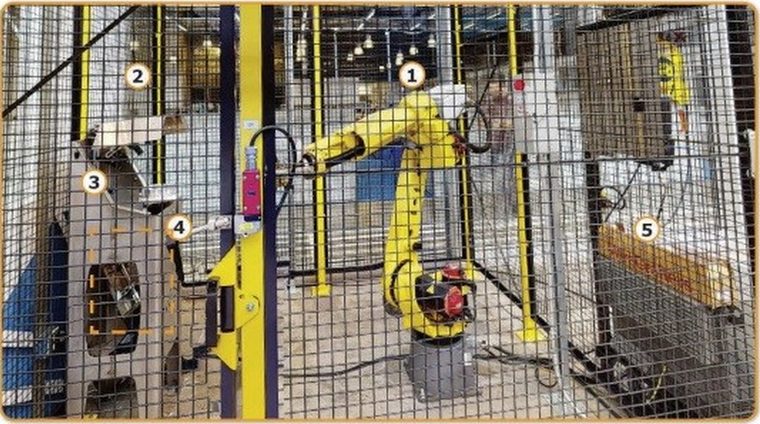
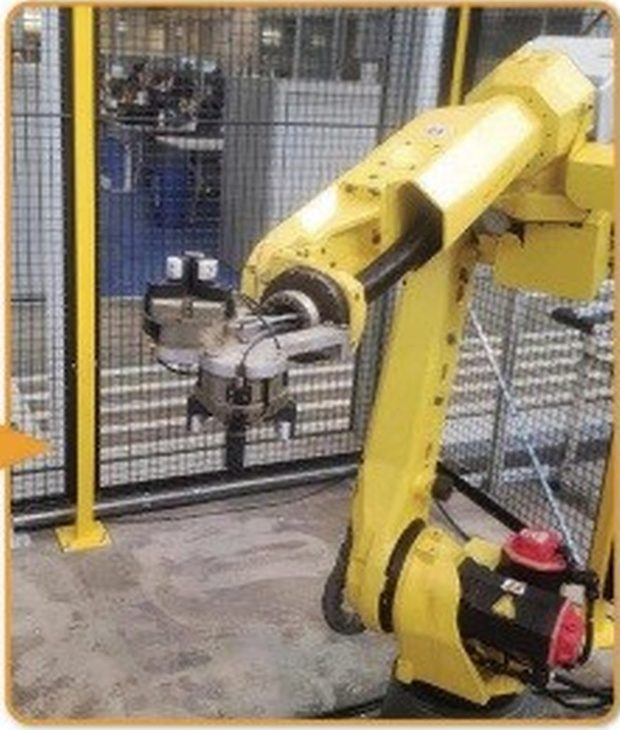
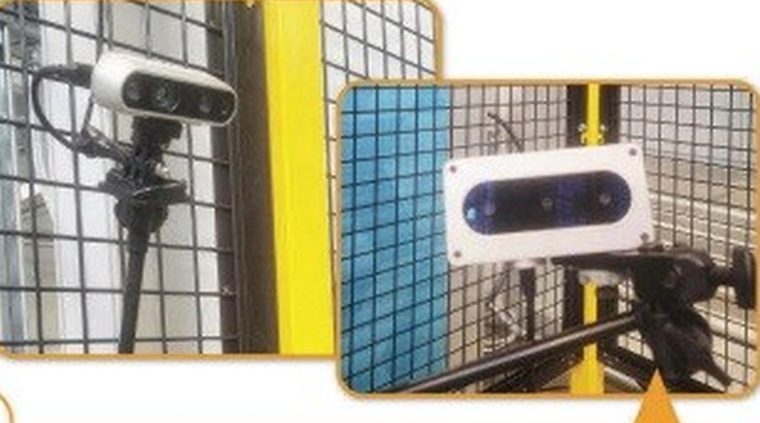
Figures drawn from the council's published research and its cited sources. Photography from the consortium lab.
Industrial AI sits at the meeting point of three domains that were deliberately built apart. Operational technology covers the PLCs, DCS and SCADA systems, historians and MES platforms that run real time control. Information technology covers cloud platforms, data lakes and analytics. Legacy infrastructure covers everything installed before connectivity, cybersecurity or AI were design considerations.
Those silos were reasonable decisions at the time. Operational technology was built for safety, determinism and reliability, while information technology was built for scale and flexibility. The separation now blocks AI from becoming a system level capability, and it shows up as protocol incompatibility, latency and determinism constraints, unclear data ownership, and a running tension between cybersecurity controls and operational efficiency at the boundary.
Our position is that interoperability is a first order design requirement rather than something to solve later, and the council's policy work argues for open industrial data standards, shared testbeds at national labs, and reference architectures built with universities and industry together.
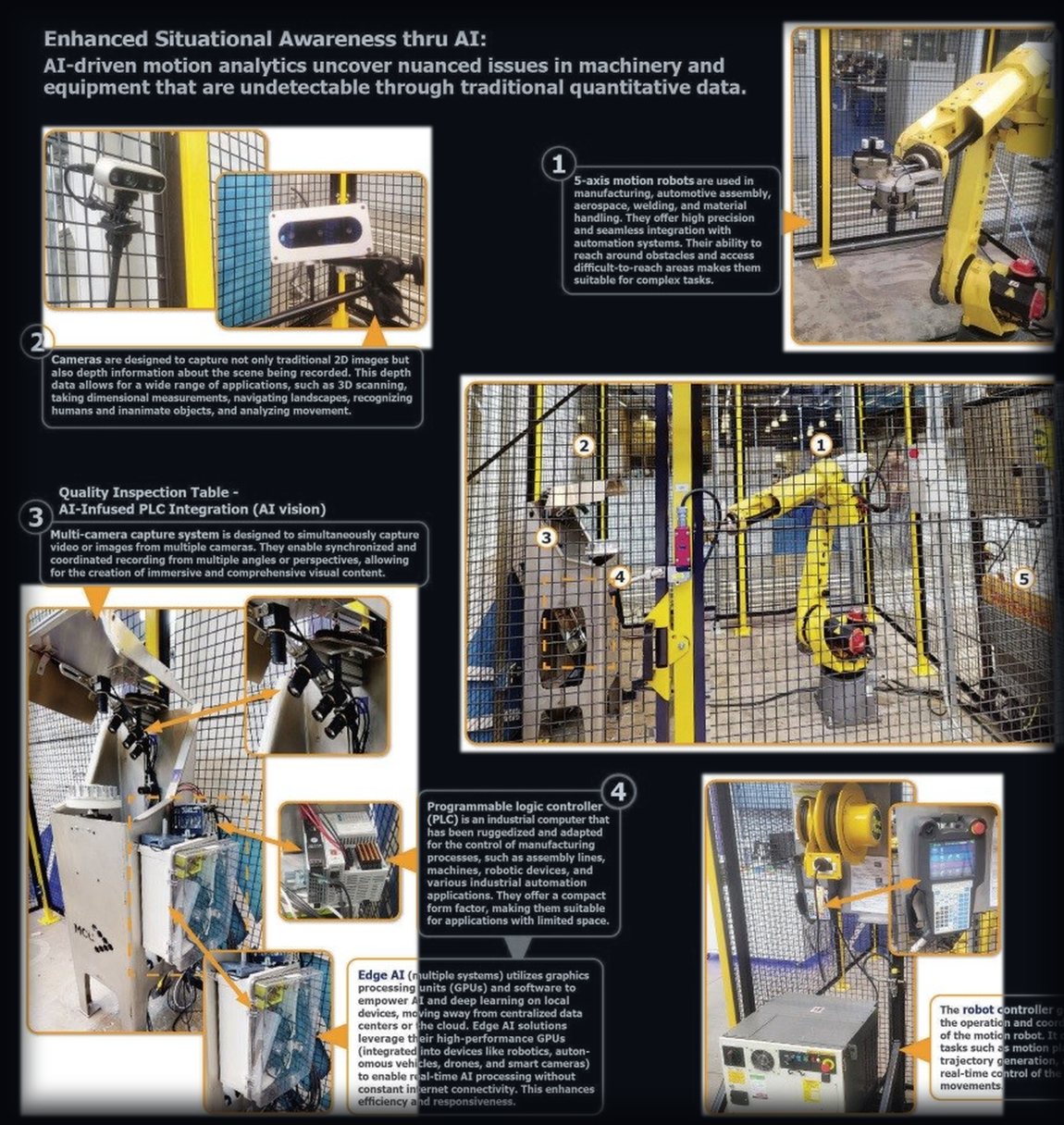
Multimodal inspection combining 3D imaging, infrared data and vibration analysis to find micro defects on production lines.
Real time replicas of plants that optimise resource allocation and let a team simulate a workflow change before making it.
Design generation optimised against material usage, cost and performance targets together rather than in sequence.
Floor monitoring that detects hazardous conditions and raises alerts or triggers corrective action in real time.
This is a position the council holds deliberately, rather than a courtesy added at the end.
Safety critical environments do not tolerate systems nobody can question. Human in the loop control over critical decisions, explainability, and validation of how a model behaves under abnormal and emergency conditions are treated here as foundational requirements rather than features to add once something works. Safety functions can be automated, but not in a way that removes human authority over them.
The same applies to what a model tells an operator. Because these systems can produce confident and wrong recommendations, anything put in front of the workforce needs to be transparent about where it came from and traceable back to a source.
There is a version of this that runs the other way, where AI makes a plant safer rather than merely being safe itself. Manufacturing environments create risks that are obvious in hindsight and easy to miss in the moment, such as somebody moving underneath a heavy load, or a tool left in a critical work area after maintenance. A system watching for those conditions is an extra set of eyes on the floor, and that is one of the more immediately valuable things this technology can do.
Part design is usually siloed from manufacturing reality, so it takes several iterations before a design can be made well. Foundation models for manufacturing aware design would turn a natural language specification into designs and process recommendations that scrap less material.
Process recommendations tend to assume an idealised machine. Using machine metadata such as build, year and maintenance history allows a recommendation to account for the specific machine a part is being made on, not just the part itself.
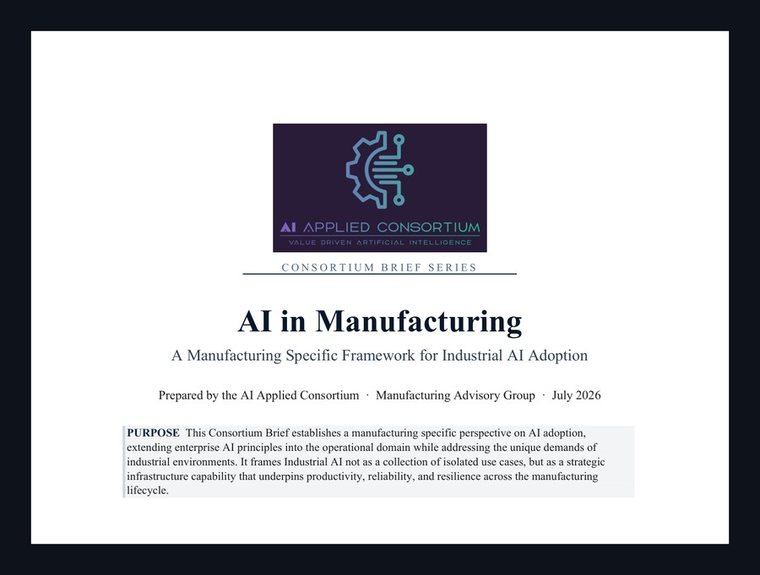
A manufacturing specific framework for industrial AI adoption, published July 2026 and prepared with the Manufacturing Advisory Group.
The brief extends the consortium's federal policy posture into the operational domain. It sets out the value drivers above, the interoperability and data stewardship problems that hold adoption back, and policy recommendations across six areas addressed to DOE, NIST, NSF, DoD and CISA. It aligns to existing standards work including NIST, ISA and IEC, and to the emerging ASTM F50 effort on AI in manufacturing, on the basis that harmonisation is more useful than reinvention. It builds on two earlier documents: the consortium's 2025 response to the federal AI Action Plan RFI, and A 360-Degree View of AI in Manufacturing, published with the US Center for Advanced Manufacturing.

Michael Burgess, Vice President of Operations at Crenlo Engineered Cabs, with Konrad Konarski.

Chancellor Jungwoo Ryoo of Penn State University, with Konrad Konarski, on what universities owe industry and what industry owes them back.

AI applied on the factory floor, recorded in the consortium lab.
Manufacturers, technology providers, advisory firms, universities and industry bodies, represented on the council or contributing to its research.
 Technology
 Technology
 Advisory
 Chemicals
 Energy services
 Robotics
 Automotive
 Steel and tubular
 Manufacturer
 Research university
 Industrial AI Center
 Research university
 Association partner
 National network
 Public sector
Operators, technology providers and academics, each carrying responsibility for what AI does inside a plant.

Vice President of Operations

Professor and Director of Industrial AI
Chancellor

Product Lead, Robotics

Data Manager

Professor and Researcher

Director of Labs

Data Governance Manager, AI & Data Analytics

Global Vice President, Services and Support

Ecosystem and Consulting Leader

President and Chief Executive

North American Manager (Retired)

Technology Business Development Executive
Membership suits people responsible for production, quality, maintenance, engineering or plant data at a manufacturer, and researchers working on industrial AI who want their work tested against live operations.
Members join quarterly working sessions and take part in the council's research and standards work. In practice this comes to about a day each quarter.
You get access to peers running the same problems on different plants, early sight of the lab work, and a hand in the positions the council takes on standards and policy.
We ask members to be specific about results, including the ones that did not hold up. Numbers in the brief are only useful because the people who supplied them were accurate.
Most council seats are filled by nomination. For the seats open by application, contribution details are shared directly with each applicant. Anyone can join the wider network for $99 a month.