Research university
Cities cannot be simulated honestly, so this lab does not try. It works inside real city environments with DePaul University and municipal partners, turning the video and sensor data cities already have into decisions they can defend.
The model A collaborative hub of the AI Applied Consortium, DePaul University and municipal partners. The lab operates inside actual city environments rather than a closed facility, because a city cannot be simulated honestly and the lab does not pretend otherwise.
American cities are covered in cameras and sensors that mostly feed archives nobody watches. The lab’s founding premise is that the raw material for better urban decisions already exists — what is missing is the analysis, and the trust to act on it.
Its flagship effort is the National AI Video Analytics Program, built with DePaul University’s data science group and deployed with the City of Brookhaven, Georgia. The programme turns ordinary municipal video into planning insight: how intersections actually behave, where pedestrians actually cross, what a corridor actually carries.
Real-time testing in real environments forces iterative improvement, and it keeps the work honest in a way no simulation can.
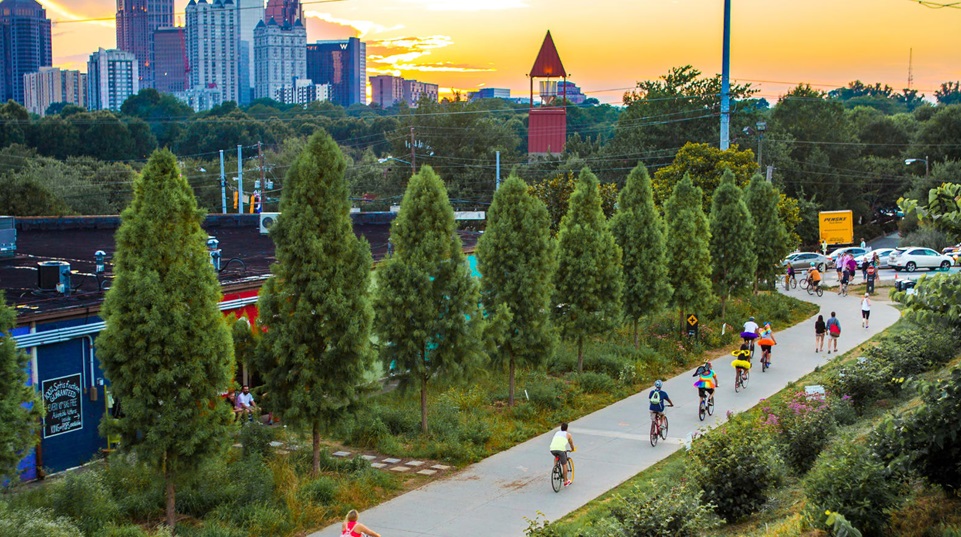
Computer vision over municipal camera networks for traffic counts, pedestrian flow and land-use insight, with privacy handling designed in rather than bolted on.
Dynamic routing, corridor analysis and heatmap-driven urban design — evidence for the decisions cities currently make by intuition.
Disaster preparedness and emergency-services resource prioritisation, where minutes of better allocation matter more than any dashboard.
City officials, urban planners, DePaul faculty and students, and consortium practitioners work the same problems together — the only arrangement in which municipal AI projects reach deployment.
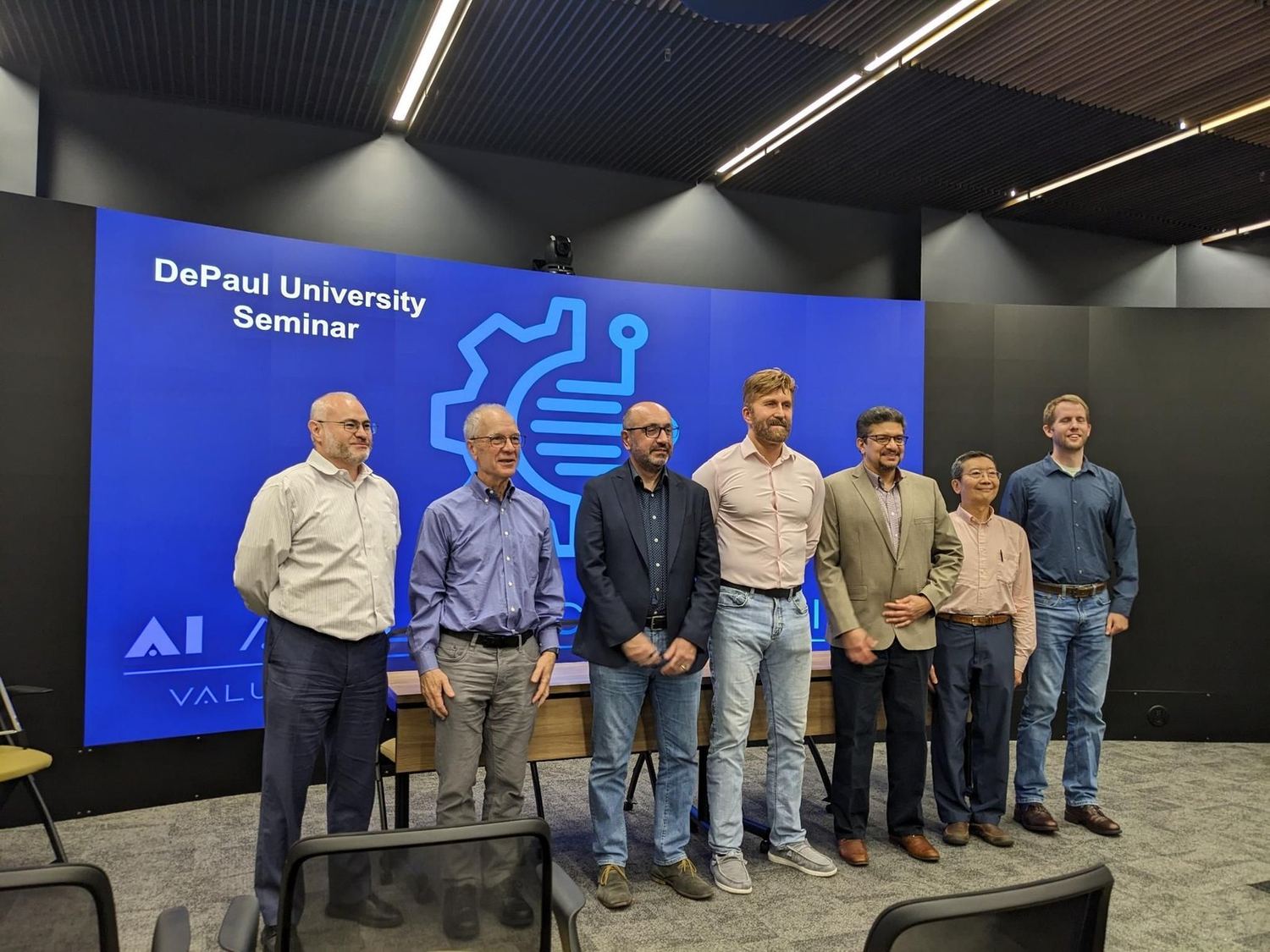
DePaul is the lab’s academic home: its data science group supplies the analytical bench, its students do real engineering on the video analytics programme, and its Chicago campus hosts the consortium’s public-sector convenings, including the AI at Work, AI for Good symposium and The Spark.
“Data science and AI have the potential to transform urban living by providing critical insights for better decision-making and sustainability.”Dr Ilyas UstunDirector of Data Science, DePaul University
The lab works with the cities and institutions on the consortium’s Public Sector Council.
Research university
Municipality
Municipality
Civic infrastructurePartners bring the problem and the data. Students and faculty bring the build. The consortium sets the terms so both sides know where the work goes.
Bring a corridor, an intersection or a resilience question. You supply the video and a planning contact; the lab supplies the analysis.
Join the video analytics programme through DePaul’s data science group and do engineering a city will act on.
Join the network and put urban data researchers on municipal problems with data attached.