
Panels and platform sessions
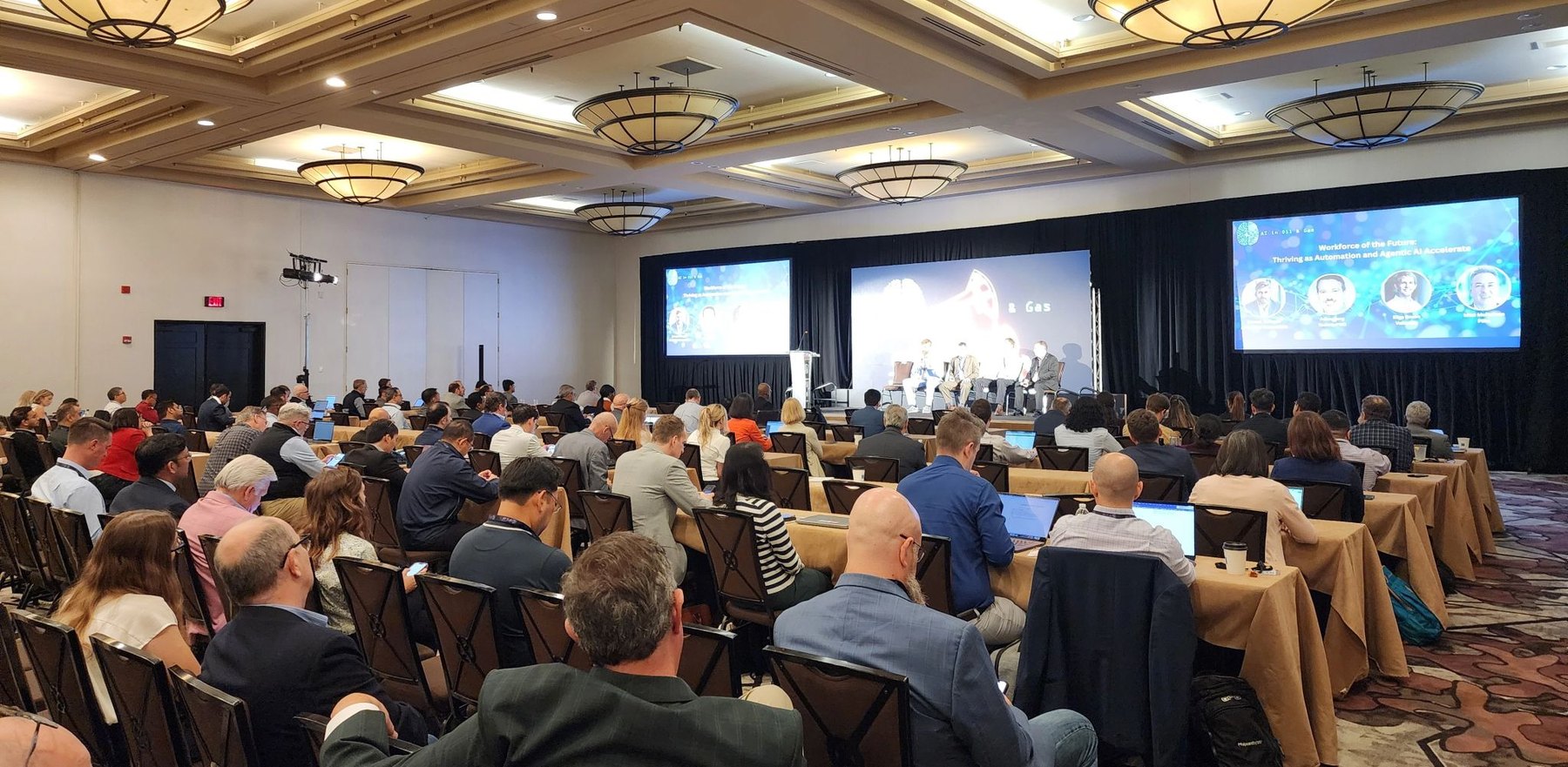
Consortium leadership chairs and sits on panels across the oil and gas, energy digitalisation and AI programmes, most years in more than one city. The subjects are set by what the council is working through at the time.
Five years of consortium leadership on the programmes where the energy industry debates what artificial intelligence can deliver.

Partner since 2021 Energy Conference Network has built digitalisation and AI programmes for the energy industry since 2014, running conferences across North America, Latin America, Africa and Australia for an audience that now exceeds ten thousand people. energyconferencenetwork.com →
The Energy, Chemical and Utilities Council does most of its work behind closed doors, with member companies and their own production problems. Energy Conference Network is where that work meets the rest of the industry.
Research that never leaves the room it was produced in has no effect on anything. The people who decide whether a model runs in a control room are refinery managers, drilling superintendents, process safety leads and the engineers who will be paged when it fails, and they are difficult to reach one company at a time. They come to these conferences in the hundreds.
The relationship runs in both directions. The conference series gives the council a standing platform in Houston, Calgary and Appalachia and a route to practitioners we would otherwise have to find individually. The council gives the programmes speakers who are describing systems already running in an operation rather than product roadmaps.
What we have taken to the stage tracks what the council was working on that year. Machine learning in field operations in 2021. Algorithms measured against health and safety standards in 2022. Industrial digital twins in 2023. Since 2025 the subject has been the harder one: what it costs an organisation, in workflow and in accountability, to run artificial intelligence rather than demonstrate it.
Four things, none of them ceremonial.
Consortium leadership chairs and sits on panels across the oil and gas, energy digitalisation and AI programmes, most years in more than one city. The subjects are set by what the council is working through at the time.
The platform is not reserved for the chair. Trustees and council advisors take slots in their own right, which is how a member's internal work reaches an industry audience without their company having to buy a stand.
A substantial share of our energy membership began as a conversation in a hallway after a session. Conferences are where an operator first hears that a body like this exists and that joining it costs less than solving the same problem alone.
Sitting in the audience for two days a year tells the council what operators are actually attempting, where the failures are clustering, and which of our assumptions have gone stale. That feeds directly into what the council chooses to work on next.
Every appearance below is a matter of public record on the conference series' own speaker and session listings.
The first appearance on the programme. Consortium leadership on a panel about where machine learning had genuinely changed field and plant operations, at a point when most of the industry's examples were still proofs of concept.
Process safety is the area where the industry is least willing to accept a system it cannot explain, and it is therefore the sharpest test of whether an algorithm is fit to run. This panel took that head on.
Presented alongside the consortium's own work on digital twins and extended reality for the energy workforce, built with technology partners and a university engineering programme.
The year the relationship became formal. The consortium appears in the conference's own sponsor listing, and three of our people were on the speaker roster: the Chairperson, a trustee from TechnipFMC and the lead advisor to the Manufacturing Council.
The same programme carried into the Appalachian basin, where the operator profile is different and the pressure on margin makes the economics of a shared research effort easier to explain.
The largest of the series, with more than five hundred senior executives and technical leads from operators, drillers, service companies and EPCs. Three consortium speakers on the roster among a field of over a hundred.
The next appearance, and the subject the council has been circling for two years. Details below.
Operationalizing AI: futureproofing and digitalization technology. Digitalization in Oil & Gas, Houston, 11:55 to 12:25.
The panel deals with the gap between what an AI system costs to buy and what it costs to actually use. The technology bill is the smaller number. The larger one is redesigned workflow, changed decision authority, the engagement of the people whose judgement the system is now partly replacing, and a clear answer to who is accountable when it is wrong. Those four things decide whether the investment returns anything measurable, and they are the reason so many working pilots never become production systems.
Three people carry the consortium's name on these programmes, and each of them is presenting work they are personally responsible for.
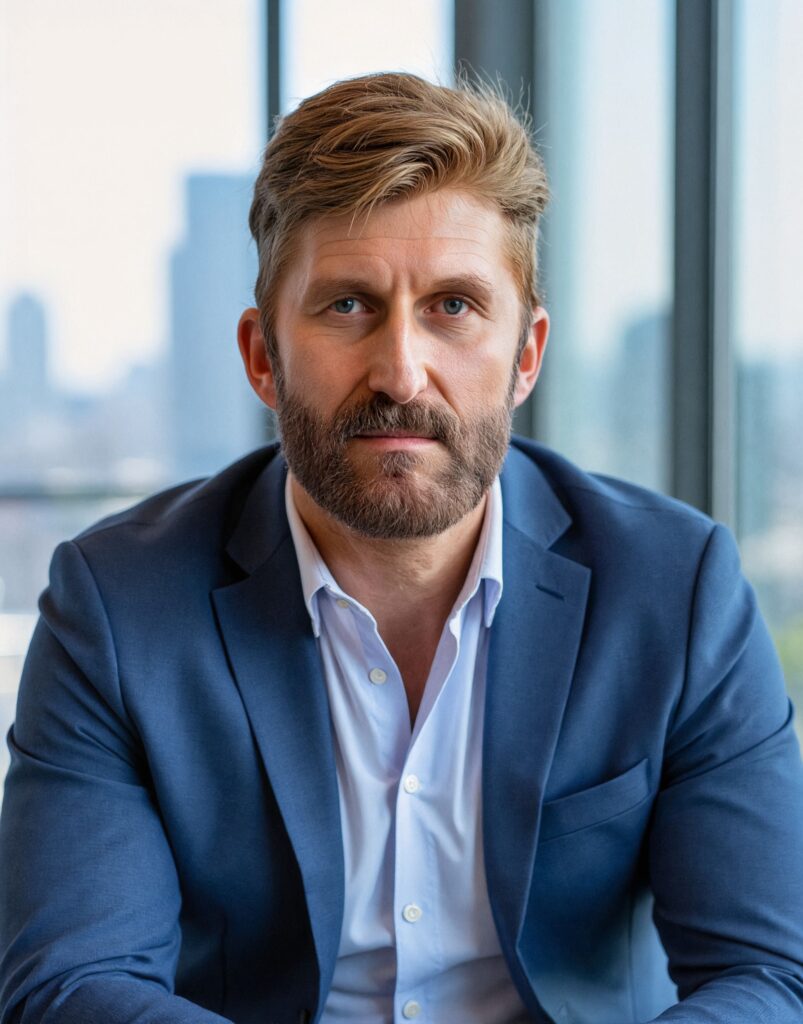
Chairperson
Manager, Learning Solutions · Trustee
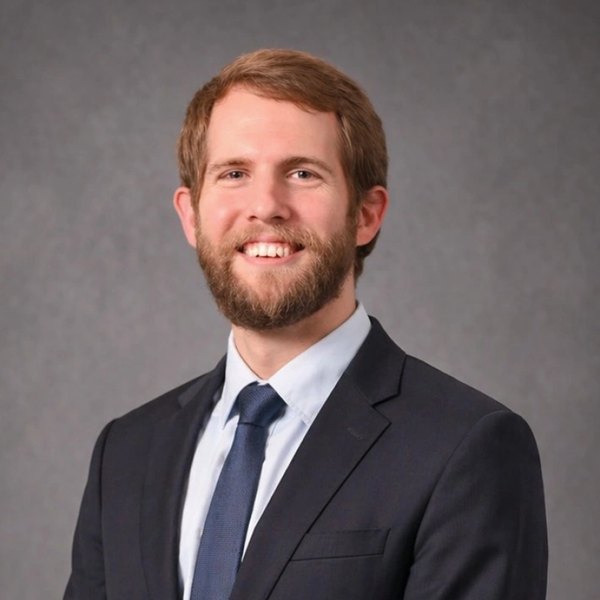
Lead Advisor, Manufacturing Council
Council membership conversations are easier in person than over email. If you are attending any programme in the series, the consortium's people are usually available for the two days around a session, and a short conversation is enough to work out whether the council is any use to you.
The Energy, Chemical & Utilities Council → Request a meeting at the next event →