 DePaul University
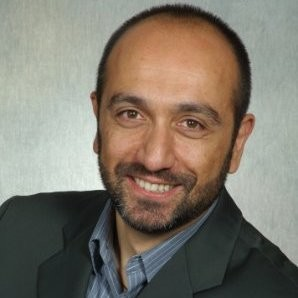
Nezih Altay
Professor of Humanitarian Logistics and Supply Chain Management
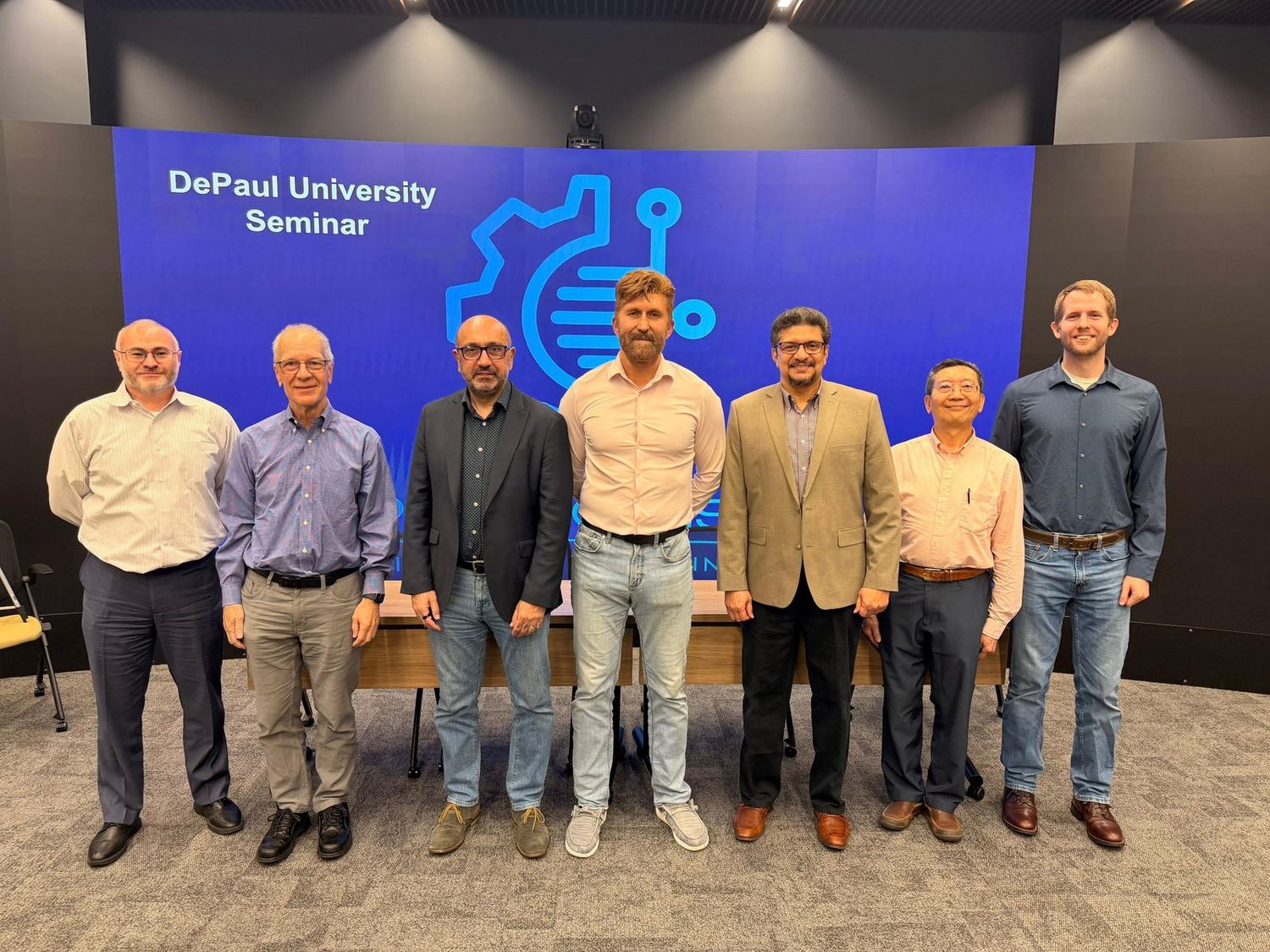
One afternoon at DePaul University's Spark Center in Chicago. Three sessions and a hands-on workshop cover responsible AI, how people stay valuable as AI takes on more work, and what executives need to decide about both.


 Elmhurst University

 American Manufacturing Institute
Agora Leadership
American Manufacturing Institute
Agora Leadership
The venueThe Spark Center at DePaul University is in the Chicago Loop. The consortium held AI at Work, AI for Good here in October 2025 and The Spark: Where Industrial AI Gets Real in April 2026. This is the third session in the series. See past symposiums
Three sessions and a workshop run from 1:00 to 5:00 PM Central. Select a session to read more about it.
 Michael BurgessVice President of Operations, Crenlo Engineered CabsNezih AltayDePaul University
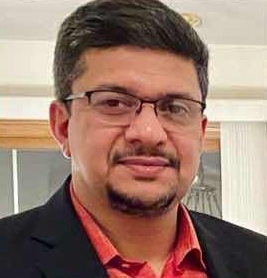 Jobi AbrahamState of Illinois
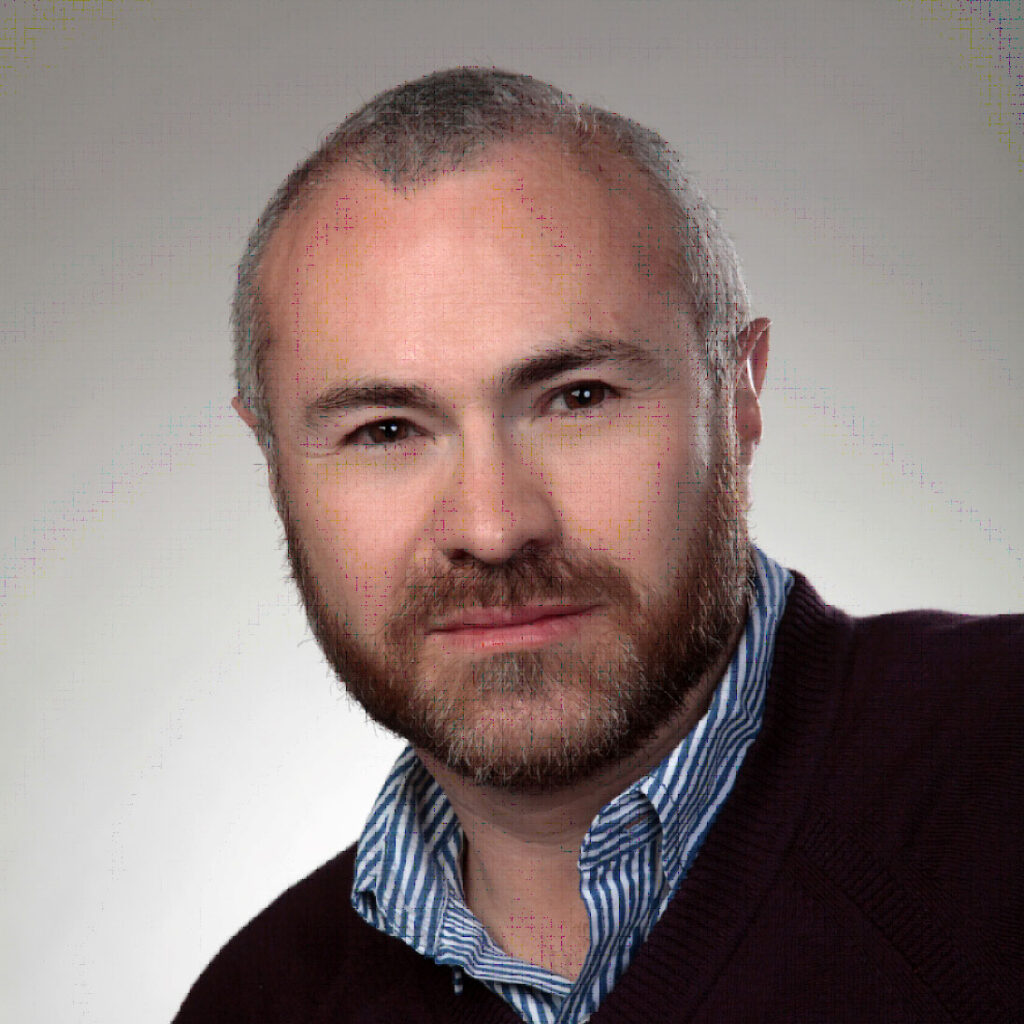 Dr. Martin R. Gonzalezbp
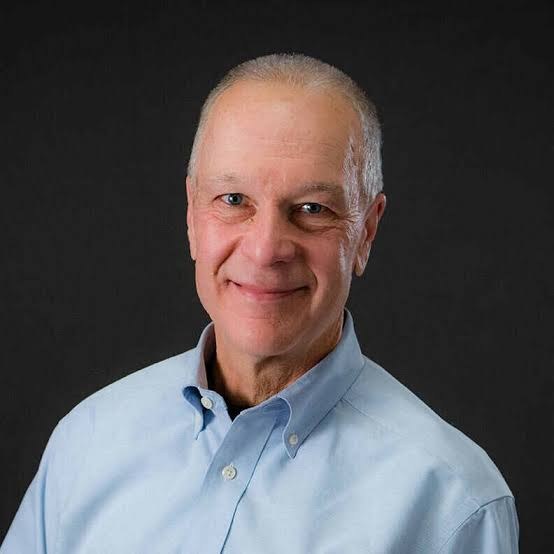 Dr. James KulichElmhurst University
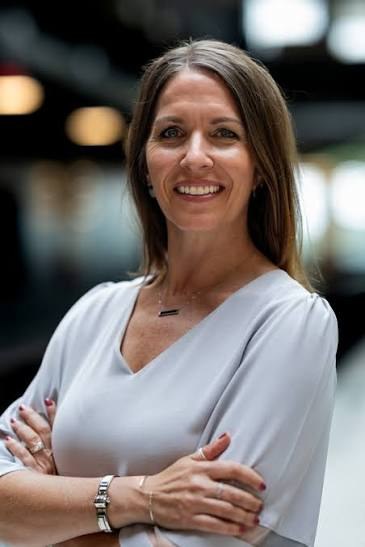 Stephanie WrightAgora Leadership
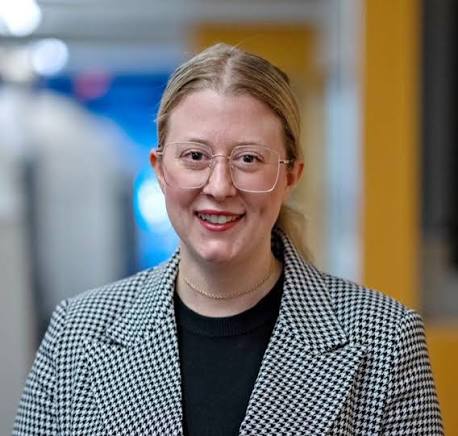 Stacey WeismillerAmerican Manufacturing Institute
 Konrad KonarskiAI Applied Consortium
 Sam HamiltonVisa (Former)Konrad KonarskiAI Applied Consortium
Much of the public conversation about AI is now about its dangers. This session takes those concerns seriously and asks what responsible use looks like inside a working organisation.
DePaul faculty and Chicago leaders will discuss which risks an organisation can control, and what it should have in place before it deploys a system that affects people.
The consortium's councils will also share the ethics position they are working on, and ask the audience to test it.
More Chicago speakers are added to this page as they confirm.
 Spark Center · ChicagoDePaul University
Professor of Humanitarian Logistics and Supply Chain Management
State of IllinoisData Governance Manager, AI & Data Analytics
AI keeps taking on more of the work that is repeatable and easy to describe. The line between what a machine does and what a person does moves up every year.
The people who stay valuable are the ones who work above that line. This session looks at the four kinds of expertise that sit there. It also shows how professionals can use AI to clear routine work and spend more of their time on them.
AI answers the question it is given. A person still has to decide which question is worth asking and what a good answer would change.
Most real decisions involve trade-offs that nobody has written down. Judgment is knowing which of them matter this time.
Experience tells a person when a confident answer is wrong. It takes years to build and it is hard to copy into a system.
People act on advice from someone they trust. That trust is earned between people, and the work that depends on it stays with people.
Below the line is the work that repeats, such as the handover, the status update and the weekly report. AI is learning that work, and it learns more of it each year. The four things above the line stay with people because no model can do them for you.
When people add up their own routine work, most of them find twelve to twenty one hours a week. These are typical figures, not promises. In the workshop each person measures their own week.
Each move takes one kind of routine work off your desk. The time goes back to framing, judgment, experience and trust. The session shows the moves on real tasks, using the tools your organisation already allows. No coding is needed.
One careless incident can end the permission to use AI for everyone in an organisation. The session closes with the guardrails that keep the speed safe.
bpSenior Manager, Refining Technology
Elmhurst UniversityDirector, Data Science
AI often works from part of the picture. This workshop teaches people in operations to judge when an AI answer is useful, incomplete, risky or wrong.
It comes from the Industrial Intelligence Lab, which the American Manufacturing Institute and Agora Leadership lead together. It is built for people who work in the physical economy, from operators and supervisors to the executives responsible for putting AI to work.
The workshop follows one operating scenario from the first signal to the decision. Each step uses the SENSE Loop, a sequence of five questions a worker can ask before acting on what AI says.
What changed, and what decision is needed?
Where did this information come from, and can it be checked?
What did the AI assume, and what can it not see?
What could go wrong, and who carries the risk?
What is the smallest safe test, and who owns it?
AI often works from a partial picture of reality. The purpose of the workshop is to build the critical thinking a workforce needs to decide when AI is useful, incomplete, risky or wrong. Participants learn how to question an AI output, read the operating context, surface missing information, assign decision rights and design a safe, measurable workplace experiment.
It is built for people who work in the physical economy: operators, technicians, supervisors, quality teams, maintenance leaders, procurement and supply chain professionals, workforce partners, and the executives responsible for putting AI to work.
The workshop rests on four capabilities. Each one answers a different question about an AI output.
The session follows one operating scenario from the first signal to the decision, and features industry voices and subject matter experts along the way. It runs for about seventy minutes.
The symposium session is the first of three steps. A closed applied lab then puts the SENSE Loop to work on real manufacturing and supply chain scenarios, and a thirty day workplace experiment with named owners and measurable outcomes turns the method into repeatable curriculum.
Agora LeadershipChief Executive Officer
American Manufacturing InstitutePresident and Chief Executive
AI changes more than the tools a company uses. It changes who does the work, how the company is governed, and who has the right to make which decision.
Roles change when AI takes over part of a job. Executives need a plan for the work that moves and for the people who used to do it.
Boards are now asked how the company oversees AI. This part covers what oversight looks like in practice and who should own it.
When a system recommends and a person approves, someone is still accountable. Companies need to write down who decides and who answers when the system is wrong.
The session draws on the consortium's board governance programme. It is aimed at executives and directors who want one complete view of how AI disrupts their organisation and a way to plan for it.
AI is no longer an IT topic. Boards are now expected to govern it, and most directors never had to learn it. Disclosure has grown fast. The capability behind it has not kept pace.
A 2025 survey of 300 directors of North American companies with more than a billion dollars in revenue, alongside a study of AI initiatives at 3,240 companies, shows the gap. Governance and change management separate the initiatives that deliver from the ones that do not.
Where could AI act without a person signing off, and who is accountable when it does?
What is one point of uptime or quality worth, and do we capture the data to earn it?
Where is unmanaged AI already in use, and what leaves the organisation with it?
How durable is AI-driven demand across scenarios, and are we resourced for the upside?
Have we tested, and not only reviewed, our AI incident and crisis protocols?
Which roles change first, and what is our plan to reskill and redeploy people?
There is nothing new to memorise. Each duty a board already holds carries one new question.
The session closes with the three things a board can own from this point on. The consortium's board governance programme builds each of them with a board over two sessions.
The short list of AI opportunities that pay off for the organisation, and the ones that can wait.
Accountability, committee ownership, risk appetite and decision rights, written down.
A quarterly one-pager on value, incidents and risk posture that makes oversight routine.
Sources: public board research and S&P 500 disclosure data, 2023 to 2025.
AI Applied ConsortiumChairperson
VisaSenior Vice President (Former)
Attendance is free. Registration uses a work or academic email address. You confirm your place from a link we send you, and the practical details follow by email.
We have sent a confirmation link to your work email. Your place is held once you open it. The organisers then review every request, and the practical details come by email. If the message has not arrived in a few minutes, check your junk folder.